Craps Proposition Bets Explained: A VIP’s Guide to the Table
Craps proposition bets explained is the kind of phrase that turns up when a regular wants to move past the pass line and test the sharper edges of the table. The props sit in the middle of the layout, pay fast, and ask for discipline more than luck. This read walks through how the bets actually behave, where the maths bites, and why a careful player treats them like a precision tool rather than a shortcut to a big payout.
Inside the Proposition Layout
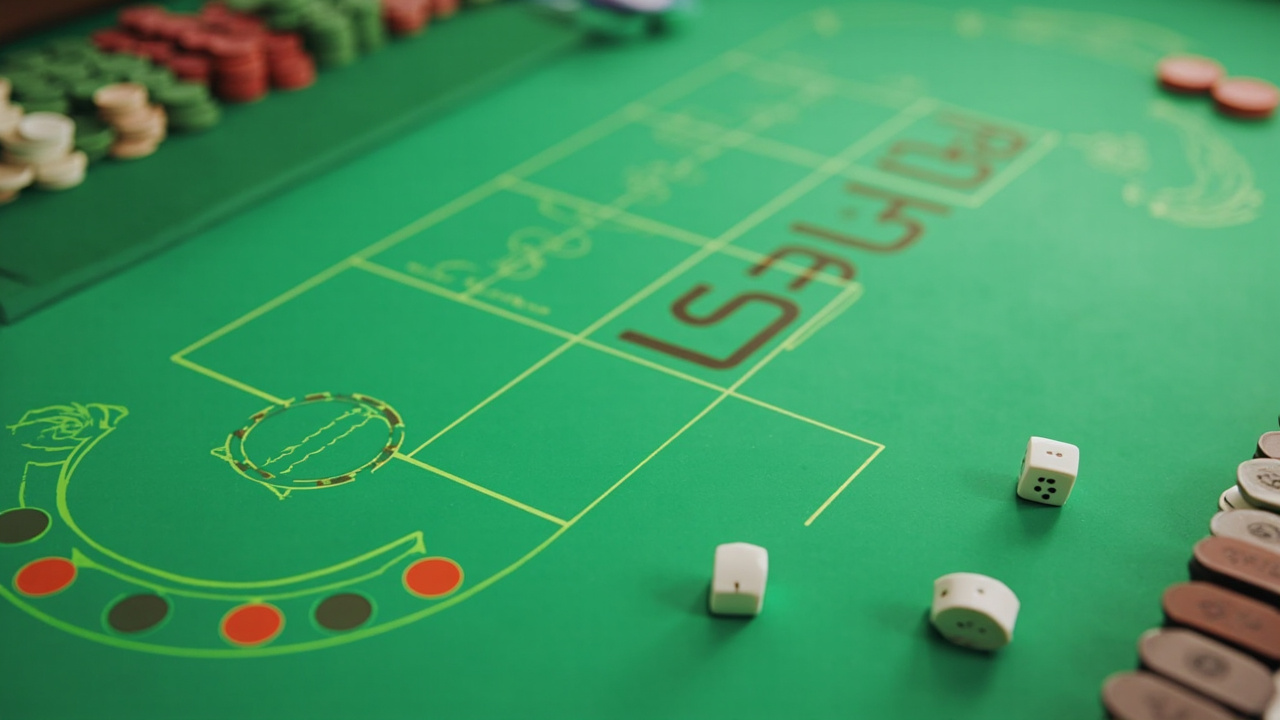
The proposition square is a tight cluster of one-roll bets that each carry their own payout and their own house edge. You’ll see the numbered bets on 2, 3, 11, and 12, along with the field and the single-number propositions that pay far better than they hit. The catch is simple: the payouts look generous on paper, but the frequency of wins is low enough that the edge stays firm.
A proper review of any table starts with the lobby and the game mix, because the props are only as usable as the software that presents them. At thepokies.net no deposit bonus, the table lobby groups craps variants by provider and stakes, with search and filter tools that make it easier to find the lower-limit tables where proposition bets actually fit a modest bankroll. The discovery side matters here: when a player can sort by dealer pace, table limits, and side-bet visibility, the props stop feeling like a cluttered afterthought and start looking like a deliberate choice.
The layout itself rewards players who read the screen before they press a button. Good table software shows the active proposition bets, the current payout for each, and the last roll result in a way that doesn’t slow the pace. That kind of precision matters for a VIP-minded player who wants the table to behave consistently, not just flashy.
How Each Proposition Bet Behaves
The one-roll bets on 2, 3, 11, and 12 are the most direct entry point, and they’re also the ones that punish sloppy staking the fastest. A bet on 12 often pays 30 to 1, but it only lands on one combination out of 36, so the edge stays high even when the payout looks mouth-watering. The 3 and 11 sit in a similar zone, with better odds than the 12 but still a low hit rate that asks for steady hands.
The field bet is the most familiar proposition for many Australians, and it’s the one that tends to get mistaken for a gentler option. It covers several numbers on a single roll, but the payout structure on 2 and 12 is where the house keeps its advantage. A careful player treats the field as a short-term texture bet, not a bankroll strategy, and adjusts the size accordingly.
The single-number propositions, often called hard ways and proposition squares, are where the maths gets unforgiving. These bets pay well because they’re rare, and they stay rare no matter how many sessions you play. Grace Gibson, Compliance Director, Red Centre Analytics, puts it plainly: “Proposition bets are a pricing exercise first and a thrill second, so the edge only makes sense when the stake is small relative to the session.” That’s the kind of judgement call a disciplined player makes before the first roll, not after a run of bad luck.
Reading the Table Before You Press
A good session starts with a quick scan of the table rules and the payout display, because not every craps variant prices the propositions the same way. Some tables offer a lower payout on the 12, others tweak the field, and those small differences change the edge more than most players expect. Callum Davies, Gaming Technology Consultant, Laneway Interactive Media, notes that “the software layer can flatten or sharpen a proposition bet without changing the dice at all, so the same bet can feel different from one table to the next.” That’s a useful reminder that the props are only as consistent as the table you’re sitting at.
Once the rules are clear, the next move is to size the bets so a losing roll doesn’t derail the session. A player who treats the props like a precision service will set a small unit, watch the table for a few rolls, and only then decide whether the pace suits them. The process is straightforward:
It is also wise to check if the casino hosting the game offers a thepokies.net no deposit bonus to extend your playtime without extra risk. Grasping these nuances helps you manage your bankroll more effectively while navigating the table. You can find more insights on managing online gaming funds at https://thepokiesnetnodeposit.com/.
- Open the table lobby and filter for craps variants that show proposition payouts clearly on the screen.
- Check the stake range and confirm the table limit fits the bankroll you want to use for one-roll bets.
- Read the payout rules for the field and the numbered propositions before placing the first chip.
- Start with a small unit on one proposition, watch the roll history, and adjust only if the table pace matches your plan.
- Keep the stake steady through a short run, then step back if the edge or the tempo no longer suits the session.
This is the kind of routine that works well for a player who values consistency over noise. It also fits the kind of precision service that a loyal player expects from a table experience that respects their time and their bankroll.
Player Fit and Session Discipline
Proposition bets suit a player who likes fast decisions and is willing to accept that the edge is real. They’re not a slow-build strategy, and they’re not the place to park a large share of a bankroll in the hope that a rare payout will rescue a session. The players who do well with props are the ones who treat them as occasional texture, keep the stakes small, and move on when the table stops feeling right.
For an Australian player, the appeal often comes down to pace and control. A busy arvo session at a local club or a quiet online table both reward the same discipline: know the payouts, respect the edge, and don’t let a flashy number on the board rewrite the plan. Regional New South Wales players often look for table lobbies that make it easy to find lower-limit craps and clear proposition displays, because that’s where the bets actually fit a sensible session rather than a reckless one.
The best fit is a player who already understands the pass line and the come bets, and wants to add a small, sharp layer on top. If the goal is a steady session with a bit of extra texture, the props can work. If the goal is to force a big win out of a one-roll bet, the table will usually remind you why the edge exists.
Craps proposition bets explained well means knowing exactly what you’re buying into: fast payouts, low hit rates, and a house edge that doesn’t care how confident you feel. Treat the props as a precision option, keep the stakes measured, and choose tables that show the rules clearly. That’s the approach that keeps the bets useful instead of expensive.